



If you are thinking about buying property in Dubai, “freehold” and “leasehold” are two words you will hear a lot. Understanding the difference between them is the most important first step you can take. It is the single biggest factor that defines what you actually own, for how long, and what you can do with it.
For many people, especially a first-time off-plan buyer in the UAE, these terms can be confusing. But the concept is quite simple.
This guide will break down the freehold vs leasehold property in Dubai debate. We will explain what each one means, why it matters so much for expats, and how it impacts you as a homeowner and investor.
What is Freehold Property?
Freehold ownership is the simplest and most complete form of ownership.
In short, when you buy a freehold property, you own the property and the land it stands on. It is 100% yours, and your name is on the title deed. There is no time limit. You own it forever.
Think of it like buying a book. Once you buy it, it’s yours. You can keep it on your shelf, lend it to a friend, sell it, or leave it to your children in your will. You have complete control.
This is the most common and popular type of property ownership in Dubai for private buyers.
Key Features of Freehold:
- Perpetual Ownership: You own it forever.
- Full Control: You can sell, lease, or mortgage the property as you wish. You can also make changes or renovations (following community and municipality approvals, of course).
- Inheritance: You can pass the property down to your heirs. This is a major reason freehold property in Dubai for expats is so popular. It allows you to build generational wealth.
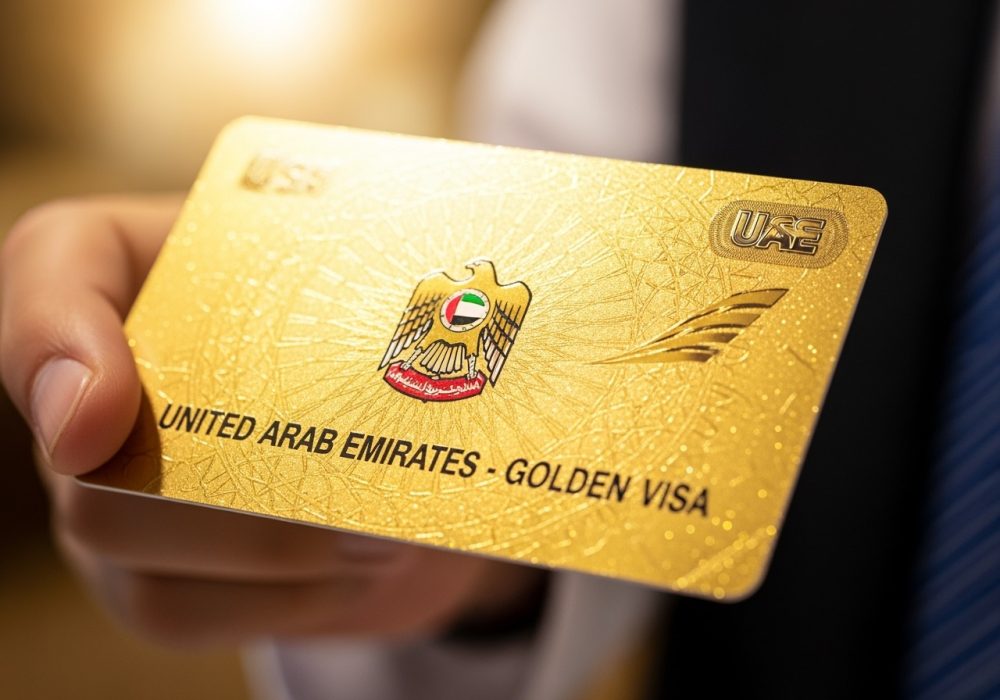
- Visa Eligibility: Owning a freehold property can make you eligible for a UAE investor visa or Golden Visa, depending on its value.
This entire model of expat ownership was made possible by a landmark law in 2002. This law allowed foreign nationals (expats) to buy property in specific “designated freehold areas”. These areas include most of the communities you know, like Dubai Marina, Downtown Dubai, Palm Jumeirah, and Jumeirah Islands.
What is Leasehold Property?
Leasehold ownership is different. When you buy a leasehold property, you are buying the right to use the property for a fixed, long period. You do not own the land.
The land is still owned by the landlord, who is the freeholder. You are a “leaseholder” who has a contract, or lease, for a set number of years. This is all explained in our leasehold Dubai explained section.
Think of it like a very, very long-term rental. The most common leasehold term in Dubai is 99 years. You might also see terms for 50, 70, or as low as 30 years.
Key Features of Leasehold:
- Fixed Term: You own the right to the property for a specific number of years (e.g., 99 years).
- What Happens at the End? When the lease expires, the property “reverts” back to the freeholder (the landlord). You may have an option to renew the lease by paying a fee, but this is not guaranteed and depends on your contract.
- Control: You can still sell or rent your leasehold property. But if you want to make major structural changes, you will likely need to get permission from the freeholder.
- Inheritance: Your heirs can inherit the property, but they only inherit the remaining years on the lease. If you pass away with 40 years left on a 99-year lease, your family inherits those 40 years.
Freehold vs Leasehold Property in Dubai: A Direct Comparison
This is the best way to see the property ownership types in Dubai side-by-side.
| Feature | Freehold Property | Leasehold Property |
| What You Own | The property and the land it stands on. | The right to use the property for a fixed time. You do not own the land. |
| Duration | Forever (Perpetual). | A fixed term (e.g., 99 years). |
| Ownership | Your name is on the Title Deed from the DLD. | You receive a long-term lease agreement registered with the DLD. |
| Permissions | You have full control (within community rules). | You need the freeholder’s permission for major structural changes. |
| Inheritance | The property is passed to your heirs. | The remaining years on the lease are passed to your heirs. |
| At End of Term | There is no end of term. | The property reverts to the freeholder. |
How Ownership Type Affects Your Investment
This is the most critical part of the freehold vs leasehold property in Dubai discussion. The type of ownership has a direct impact on your money.
The Value of a Leasehold Property
A leasehold property is a “depreciating asset.” Its value decreases over time because the primary thing you own is time.
Think about it:
- A 99-year lease is very valuable.
- A 70-year lease is still valuable and easy to sell.
- A 40-year lease is becoming harder to sell.
- A 10-year lease has very little value.
This is a major issue for mortgages. Most banks in Dubai will not give you a 25-year mortgage on a property with only 40 years left on the lease. This makes it very difficult for you to sell it later, as your new buyer will probably need to pay in cash.
The Value of a Freehold Property
A freehold property is a “real asset.” Its value is tied to the land, the building quality, and the location. It does not decrease simply because time is passing.
The value of a freehold property can go up or down based on the market, but the asset itself does not expire. This makes it a much more secure long-term investment. You can sell it in 50 years, and the new owner will still be buying a freehold property. This is why freehold property in Dubai for expats is the preferred choice for building long-term wealth.
What Are “Designated Freehold Areas” in Dubai?
As we mentioned, the 2002 law was a game-changer. It allowed expats to buy freehold property, but only in “designated freehold areas.”
These are specific zones in the city that the government has opened for foreign ownership. The Dubai Land Department (DLD) manages all property registrations and has a full list of these areas.
Today, these zones include almost all the major residential communities in “new Dubai”:
- Downtown Dubai
- Business Bay
- Jumeirah Islands
- Dubai Marina
- Palm Jumeirah
- Jumeirah Lakes Towers (JLT)
- Al Hamra in Ras Al Khaimah
For a complete guide on the rules, the UAE government’s official portal is an excellent resource.
Which One is Right for You?
For almost every expat looking to buy a home or a long-term investment, freehold is the clear winner.
You should choose freehold if:
- You want 100% ownership and control.
- You are buying a home for your family to live in for many years.
- You want to build real wealth in an asset that you can pass down.
- You want to be eligible for a UAE Golden Visa or investor visa.
- You want a secure, long-term investment that is easy to sell later.
A leasehold property might be considered if:
- It is in a prime location where freehold is not available.
- The price is significantly cheaper than a comparable freehold property.
- You are buying it purely as a short-term investment (10-15 years) and you have an exit plan.
You must go into a leasehold purchase with your eyes open, knowing that the clock is ticking.
At Ellington Properties, we believe in building for the future. We build design-led homes in Dubai’s most sought-after freehold communities. We do this because we want our homeowners to have the full benefits of ownership, security, and a long-term investment in their future.
Understanding property ownership types in Dubai is your first step. Your next step is to explore the high-quality freehold property for sale that will become your new home.