



Live in Your Moment Film: Ellington’s Philosophy of Living by Design
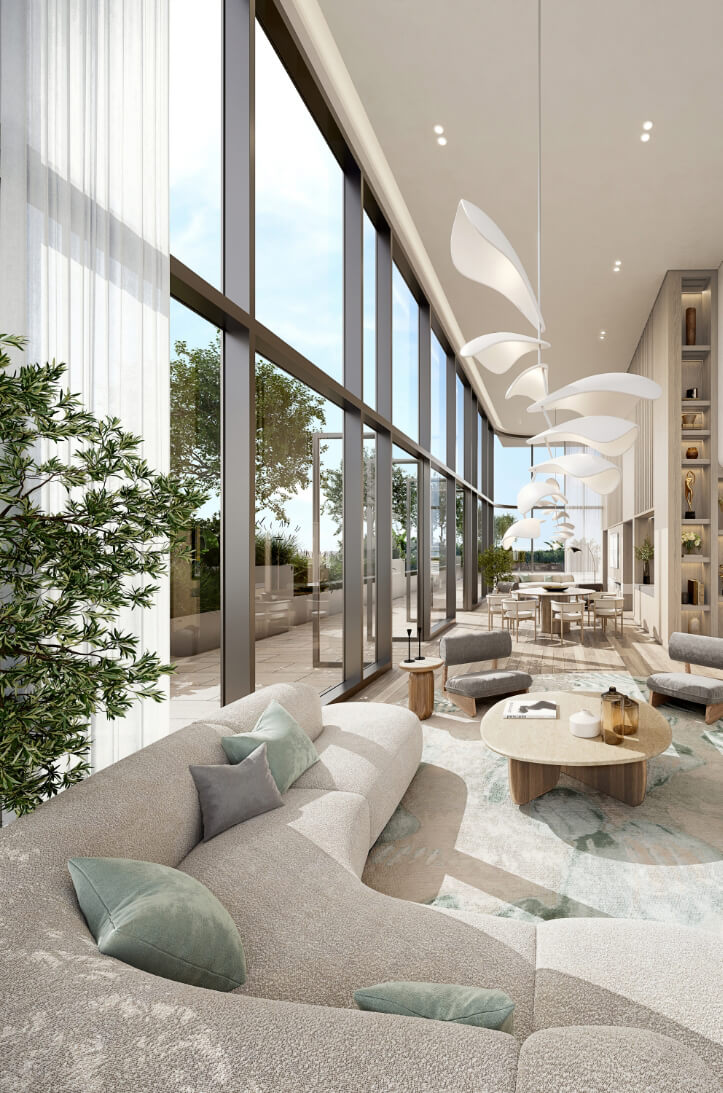
These days, It has become increasingly easy to move through life without fully inhabiting it. Not because moments no longer matter, but because your attention is constantly being redirected. Between screens, schedules and expectations, daily life accelerates, growing louder and more demanding, leaving little space to fully register what is happening. Moments blur together. Days pass. Too much is experienced only in fragments. Live in Your Moment is Ellington’s response to that reality. For Ellington, Live in Your Moment is not a slogan nor a seasonal campaign line. It is a clear point of view, one that reflects how Ellington approaches design, living and everyday experience. It is rooted in the belief that living with intention transforms how moments are lived. When life is designed thoughtfully, moments are given the time and space to stay. Designing for Attention, Not Distraction What if the spaces you move through were designed to support your attention, rather than compete for it? What if moments did not rush past unnoticed, but stayed because nothing was pulling you away from them? This way of thinking has long shaped Ellington’s design philosophy. At Ellington, architecture and interiors are not treated as visual statements alone, but as frameworks for living. Design is not decoration, it is direction. When environments are thoughtfully considered, life feels less fragmented. Attention settles. Living becomes intuitive. Moments are no longer rushed through, they are fully inhabited. Ellington understands that the quality of everyday life is shaped by how seamlessly space supports movement, presence and flow. When design works effortlessly, it stops demanding attention and allows it to rest where it belongs, on living itself. When Design Gets Out of the Way The moments that carry the most meaning are rarely dramatic. More often, they emerge quietly through everyday experiences that feel unforced: a morning that unfolds at its own pace, a pause that feels natural, a day that moves without unnecessary interruption. These moments do not announce themselves. They respond to their environment. Design plays a decisive role here, whether it is consciously noticed or not. When spaces function effortlessly, they remove friction from daily life. Movement feels natural. Living feels composed. Presence follows. This is where ‘Live in Your Moment’ finds its meaning for Ellington. It is not about perfection, performance or a curated version of life. It is about creating the conditions in which moments do not need to be chased, scheduled or optimised. They arrive naturally, because nothing is working against them. Living, Not Performing There is growing recognition that life does not need to be constantly documented or refined to be meaningful. The moments that endure are those lived from the inside, not observed from a distance. Homes designed by Ellington are created with this understanding. They offer something increasingly rare: the freedom to live without instruction. To move at your own rhythm. To express who you are without feeling directed or constrained by your surroundings. In this context, living becomes a form of quiet confidence. An everyday practice shaped by intention, presence and clarity not spectacle. Living becomes an art, not something displayed, but something lived daily through habit, rhythm and choice. Moments That Stay Some moments pass quickly, barely registered. Others remain long after they have ended. The difference is not scale or intensity, but attention. When nothing interrupts living, moments gain weight. They settle. They become part of how life is remembered, not because they were recorded, but because they were fully lived. Live in Your Moment stands for Ellington’s belief that life deserves more than partial attention. That is when life is designed thoughtfully, moments are not fleeting. They endure. The Live in Your Moment Film To bring this philosophy to life, Ellington presents the full brand film, Live in Your Moment. The film is a cinematic expression of Ellington’s philosophy, capturing the essence of living when space, design and presence work in harmony. Rather than showcasing buildings, the film focuses on moments as they unfold naturally: unforced, uninterrupted and lived with intention. The Live in Your Moment film reflects Ellington’s belief that great design does not demand attention. It creates the conditions for attention to settle, allowing life to be lived fully, confidently and on your own terms. Watch the full film by Ellington now and experience moments designed to be lived.

Why Dubai Real Estate Appeals to Global Investors and Expats
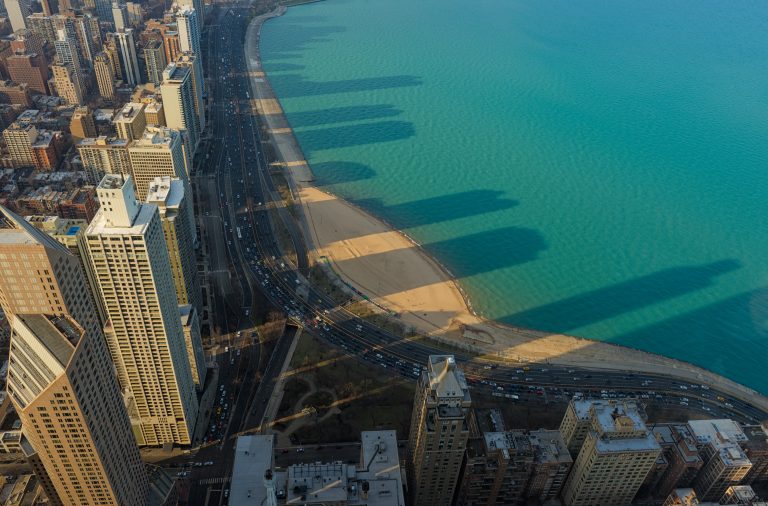
For decades, Dubai has captured the world’s attention. It has transformed into a global hub for business, finance, and tourism. This rapid growth has created one of the most dynamic real estate markets in the world. But why buy property in Dubai, UAE? What makes it so attractive to people from all over the globe? It is not just one thing. It is a powerful mix of financial benefits, a secure legal framework, and an unmatched lifestyle. This combination is why Dubai real estate for expats and global investors in Dubai property remains one of the most compelling opportunities available today. Here is a breakdown of why so many people choose to invest and live in Dubai. Strong Economic Stability and Vision Investors hate uncertainty. Dubai, as part of the UAE, offers a foundation of economic and political stability that is rare in the region. The government has a clear, long-term vision, seen in plans like the Dubai 2040 Urban Master Plan. This pro-business environment means: This stability gives global investors the confidence to put their capital here for the long term. High Rental Yields and No Property Taxes The financial case to invest in Dubai property as an expat is very strong. Attractive Rental Yields: Dubai offers some of the highest rental returns in the world. Gross rental yields can often range from 6% to 10%, which is much higher than in cities like London, New York, or Hong Kong. No Property Taxes: This is a major benefit. Once you buy your property, you do not pay annual property taxes. There is also no income tax on rental earnings. This means your profit stays in your pocket. This simple, pro-investor tax policy makes the numbers look very good for anyone looking to build a property portfolio. A Clear and Secure Legal Framework A common worry for foreign buyers is: “Is my investment safe?” Dubai has worked hard to answer this with a clear “yes.” The government has put a world-class legal framework in place to protect buyers. Freehold Ownership: In 2002, Dubai opened the market to foreigners by allowing them to buy “freehold” property in designated areas. This means you own the property 100%, just as you would in your home country. RERA (Real Estate Regulatory Agency): This is the key government body that regulates the market. RERA registers all developers, agents, and projects. Escrow Accounts: When you buy off-plan, your money is protected. It goes into a RERA-managed escrow account, and the developer can only access it as they complete construction milestones. Dubai Land Department (DLD): All transactions are registered with the Dubai Land Department (DLD). This makes your ownership official and secure. A Pathway to Long-Term Residency This is one of the biggest reasons Dubai real estate for expats is so popular. Your property investment can be your ticket to long-term residency in the UAE. The UAE Golden Visa: This is a 10-year renewable visa for investors, entrepreneurs, and skilled professionals. One of the main ways to get it is by investing at least AED 2 million (about $545,000 USD) in property. Property Investor Visas: Even smaller investments can grant you a 2-year or 5-year visa. This initiative, which you can read about on the official UAE government portal, changes the game. It links a financial investment to a lifestyle benefit. It allows investors and expats to put down real roots in the community. An Unmatched Quality of Life Finally, people do not just invest in Dubai’s numbers. They invest in its lifestyle. The quality of life here is one of the best in the world. At Ellington Properties, we build homes that are part of this lifestyle. As a design-led developer, we create residential communities that focus on quality, comfort, and amenities that match the high expectations of a global audience. Why buy property in Dubai, UAE? Because it is one of the few places in the world that offers high financial returns, a secure and transparent market, and an amazing quality of life, all in one package. To start your journey, you can explore our Dubai property for sale.
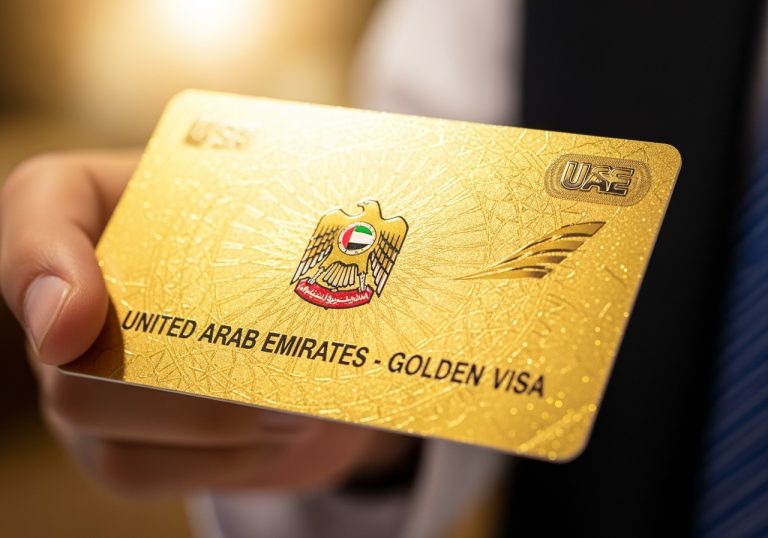
Golden Visa Guide 2026: Property Investment Requirements in the UAE
The UAE’s Golden Visa program has truly changed the game for investors and expats. It has shifted the way people look at property investment in the UAE and residency. What was once a short-term plan to live and work in Dubai can now be a long-term strategy for stability and growth. For those looking to invest in property for a golden visa in the UAE, the link between real estate and long-term residency is now clearer than ever. The program has been updated to be more flexible, making it one of the most attractive residency-by-investment plans in the world. If you are considering a property purchase, this guide will break down the golden visa requirements in the UAE in 2025. What is the UAE Golden Visa? The Golden Visa is a long-term residency visa. It is not like the standard 2-year residency visa that is tied to an employer. The Golden Visa is issued for 10 years and is renewable. It allows foreigners to live, work, and study in the UAE without needing a national sponsor. This visa offers a new level of stability. For property investors, it means your home in Dubai can also be your path to long-term residency for you and your family. Key benefits of the Golden Visa include: How to Get the Golden Visa Through Property Investment This is the most direct path for most investors. The government has made the requirements simple and clear. The key requirement for the UAE golden visa and property investment is: A minimum property investment of AED 2 million (approximately $545,000 USD). This is the one, clear number you need to remember. But the details of how you can use that AED 2 million are just as important. Key Rules for Your AED 2 Million Investment The golden visa requirements in the UAE in 2025 are very flexible. Here is what you need to know about your property. The Property Value The value of the property (or properties) must be at least AED 2 million. This can be: This flexibility is a major advantage. You could buy one large family home in one of our residential communities or two separate apartments as investments. Ready vs. Off-Plan Property (A Major Update) This is one of the most important recent changes. Your AED 2 million investment can be in both ready and off-plan properties. This means you can invest in property for a golden visa in the UAE by purchasing a home directly from a developer, like Ellington Properties, even before it is built. This allows you to get in at the launch price and benefit from a payment plan while still securing your 10-year visa. To qualify with an off-plan property, you must buy from a developer that is approved by the Dubai Land Department (DLD). Mortgaged vs. Cash Purchases Your property can be purchased with a mortgage. You do not need to pay the full AED 2 million in cash. However, there are rules: If you are buying an off-plan property, the developer’s payment plan is often a simpler path. But for a ready property, the mortgage option is very useful. The Process The process is very straightforward. You can find a full list of requirements and step-by-step guides on the UAE government’s official portal. Why This is a Game-Changer The link between UAE golden visa and property investment is not just an immigration policy. It is a fundamental shift in how people can live and invest in Dubai. It creates stability: Expats no longer have to worry about their visa every two years. They can plan their lives, set up businesses, and put their children in schools with a 10-year horizon. It encourages quality investment: The AED 2 million threshold encourages investors to look at high-quality, design-led homes rather than just small, low-cost units. This benefits the entire market. It makes Dubai a true ‘second home’: The visa allows people to truly put down roots. It changes the “expat” mindset to a “resident” mindset. At Ellington Properties, we see this every day. Our buyers are not just looking for an asset. They are looking for a home. They are looking for the kind of quality and design that they will love living in for 10 years or more. The Golden Visa makes that decision easier. It aligns the financial investment in a high-quality home with the lifestyle investment in a stable, long-term future in Dubai. To find a property that meets both your lifestyle and your investment goals, you can explore our Dubai property for sale.
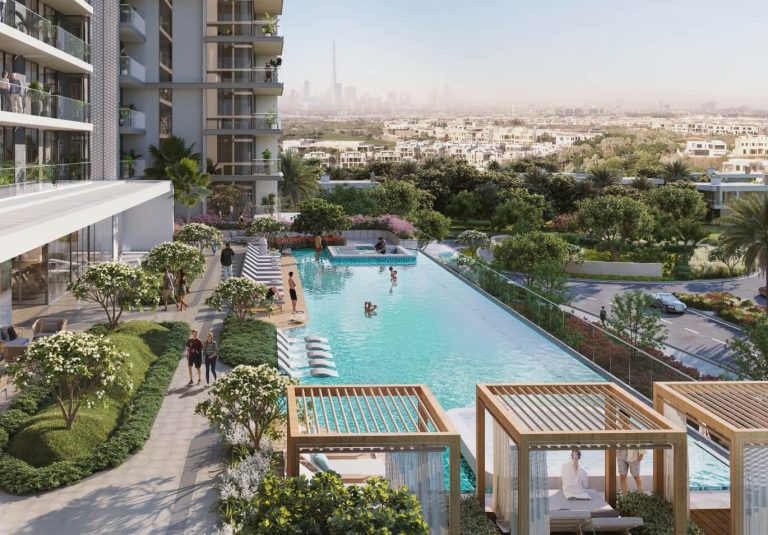
Best Freehold Communities in Dubai for Expats
For expats looking to put down roots in Dubai, the most important word to know is “freehold.” In 2002, Dubai made a groundbreaking decision to allow foreign nationals to buy property in certain areas. These “freehold zones” changed the market. They gave expats the right to 100% ownership of their property, just as they would have in their home country. Today, there are many freehold property areas in Dubai for foreigners. But not all are created equal. The best freehold communities Dubai expats look for are the ones that blend a great location with a high-quality lifestyle. These communities are more than just a collection of buildings. They are fully planned neighbourhoods with parks, shops, and amenities. Here is a look at some of the top communities with freehold ownership in Dubai that appeal to expats. Jumeirah Islands The Atmosphere: Jumeirah Islands is one of Dubai’s most established and sought-after communities. It is a one-of-a-kind neighbourhood. The entire area is a man-made archipelago of 46 “islands” or clusters, separated by large, man-made lakes. The Lifestyle: The feeling here is all about privacy, space, and calm. It is incredibly green, with mature landscaping and walking paths around the lakes. The heart of the community is the Jumeirah Islands Pavilion, a local hub with restaurants, a supermarket, and shops. There is also a clubhouse with a gym, pool, and dining. It is a favourite for families who want a spacious home with a garden, without being far from the city. Why Expats Choose It: It offers a rare, peaceful, resort-like atmosphere. It feels like an escape, but it is just a 10-minute drive from Dubai Marina and JLT. Mina Rashid The Environment: This is one of Dubai’s most unique freehold areas. Mina Rashid is the city’s historic port, and it is being transformed into a contemporary waterfront community. It blends the charm of its maritime heritage with modern design. The Lifestyle: Life here is all about the water. It is a place for people who love the sea. The community is built around a state-of-the-art marina and the famous Queen Elizabeth 2, which is now a floating hotel. Residents will enjoy marina promenades, a private beach, and stunning views of the sea and the city skyline. It offers a sophisticated, Riviera-style life, but with a connection to Dubai’s authentic history. Why Expats Choose It: It offers true waterfront living just minutes from Downtown Dubai and the airport. It is perfect for those who want a home that feels special and has a unique character. You can find out more about this historic area’s new chapter at Mina Rashid. Downtown Dubai The Atmosphere: This is the energetic, high-rise heart of “new Dubai.” If you want to live in the centre of it all, this is it. Downtown is home to the Burj Khalifa, the Dubai Mall, and the Dubai Fountain. The Lifestyle: This is the ultimate urban experience. Your “neighbourhood” is a global landmark. You can walk to hundreds of world-class restaurants, cafes, and shops. The area also has beautiful, landscaped parks like Burj Park. It is incredibly popular with young professionals and couples who want a fast-paced, convenient, and exciting lifestyle where they can be at the centre of the action. Why Expats Choose It: The convenience is unmatched in Downtown Dubai. You have the Metro, major business hubs, and the city’s best entertainment right on your doorstep. Dubai Hills Estate The Atmosphere: Dubai Hills is often called a “city within a city.” It is a huge, master-planned community that is new, modern, and very green. It is built around a championship 18-hole golf course. The Lifestyle: This community is designed to have everything. It has its own mall (the Dubai Hills Mall), a central park, jogging tracks, schools, and a hospital. It offers a wide range of properties, from modern apartments to large villas. It feels like a self-contained, perfect suburb. It is extremely popular with families of all ages because of its green space and family-friendly amenities. Why Expats Choose It: It is a brand-new, clean, and safe environment with everything you need in one place. It also has a great central location with easy access to all of Dubai’s main highways. How to Choose Your Community The best freehold communities Dubai expats can choose from are all excellent. The right one for you depends on your personal lifestyle. At Ellington Properties, we carefully select the locations for our projects. We choose to build in premier freehold zones in Dubai for expats that offer the best in lifestyle and connectivity. The government has made buying property as an expat a secure and clear process. You can learn more about the rules for freehold ownership on the UAE’s official portal or at the Dubai Land Department website. To find your home in one of these prime communities, you can explore our Dubai property for sale.
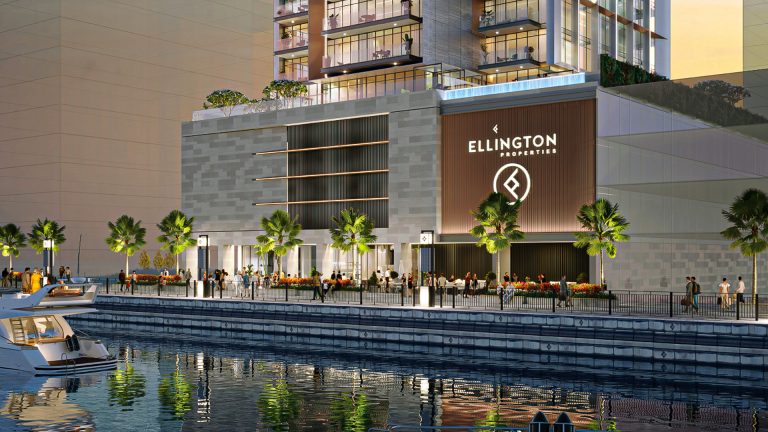
How Ellington’s Homes Reflect Dubai’s New Lifestyle Priorities
Dubai is a city that is always changing. But the most significant shift in recent years isn’t just a new skyscraper. It’s a change in how people want to live. The old priorities for a home in Dubai were often simple: a good location and a certain number of bedrooms. Today, that has changed. The modern homeowner’s priorities in Dubai are now deeper and more personal. People are looking for quality of life, not just a property. This new Dubai lifestyle is about balance, wellness, flexibility, and a real sense of community. For us at Ellington Properties, this isn’t a new trend. It is the foundation of how we have always designed our homes. Here is a look at Dubai’s new lifestyle priorities and how Ellington’s homes and Dubai lifestyle are a perfect match. The Home as a Flexible Space The Priority: The global shift to remote and hybrid work has permanently changed our relationship with our homes. A home is no longer just a place to sleep. It is now an office, a school, a gym, and a place to relax. Because of this, buyers are now looking for flexible layouts. They need a dedicated home office, a quiet study corner, or simply a space that can adapt to their changing needs. The Ellington Approach: We understood this need for flexibility long before it became a global trend. We believe design-led homes in Dubai must be smart with their space. Wellness is No Longer an Extra The Priority: Health and wellness are now at the very top of the list for modern homeowner priorities in Dubai. People want homes that support their physical and mental well-being. This is about more than just a room with a treadmill. It means a desire for natural light, clean air, and spaces that promote relaxation and activity. The Ellington Approach: We design our buildings from the inside out, with the residents’ well-being as the main focus. A Real Connection to the Outdoors The Priority: In a bustling city, people are searching for a connection to nature. This was a major takeaway from the past few years. Buyers no longer accept a tiny, unusable balcony. They want proper outdoor living spaces, such as large terraces, private gardens, or at least easy access to green parks. This priority is a key part of the official Dubai 2040 Urban Master Plan, which aims to double green and leisure areas. The Ellington Approach: We believe outdoor space is a vital part of a home. The Need for Genuine Community The Priority: Finally, people are tired of living in anonymous towers. They want a sense of belonging. A key modern homeowner priority in Dubai is finding a real community. They want to know their neighbours. They want a safe and engaging environment for their families. The Ellington Approach: We build communities, not just buildings. This is perhaps the most important part of our philosophy. A Home That Fits the New Dubai The lifestyle in Dubai has matured. It is now less about just living in the city and more about living well in the city. The demand has shifted to homes that offer flexibility, wellness, green space, and community. These are the new pillars of Ellington’s homes and Dubai lifestyle. This isn’t a new strategy we adopted. It has been our core focus from day one. We believe a home should be a source of comfort, inspiration, and pride. As Dubai continues to grow, its residents are becoming more discerning. They are looking for quality and thoughtful design that lasts. You can learn more about the city’s forward-thinking real estate market from the Dubai Land Department. For those who share these new lifestyle priorities, we invite you to view our collection of homes.

Family-Friendly Communities in Dubai for 2025
Dubai has truly grown into one of the world’s best cities for families. In the past, it may have been seen as a place for short-term work. Now, thousands of expat families in Dubai are putting down long-term roots. But what makes a community “family-friendly”? It is more than just having a playground. The best neighbourhoods in Dubai for families in 2025 offer a complete package. This means safety, a strong sense of community, green spaces, and easy access to top-quality schools. If you are looking for family-friendly communities in Dubai, the choices are excellent. Here is a look at some of the top areas that offer a great lifestyle for families. Dubai Hills Estate The Lifestyle: Dubai Hills Estate is a large, modern, and very green master-planned community. It is often called a “city within a city” because it is designed to have everything you need in one place. Why Families Love It: This community was built for families from the ground up. It is one of the most popular choices for family community properties in Dubai because it offers a perfectly balanced, modern suburban life. Jumeirah Village Circle (JVC) The Lifestyle: JVC is a very popular, large community known for its circular layout. It is a mix of apartments, townhouses, and villas. It has a real “neighbourhood” feel. Why Families Love It: JVC is a top choice for young families starting out. Palm Jumeirah The Lifestyle: This is one of the world’s most famous man-made islands. It offers an unmatched, premium beach lifestyle. It is a mix of high-end apartments on the “trunk” and large villas on the “fronds”. Why Families Love It: It provides a unique, resort-style family life. Jumeirah Lakes Towers (JLT) The Lifestyle: JLT is a vibrant, high-rise community built around three lakes. While it looks like a place for single professionals, it is surprisingly one of the best neighbourhoods in Dubai for families in 2025. Why Families Love It: It is a vertical community with a strong neighbourhood heart. Dubai Silicon Oasis The Lifestyle: This is a large, self-contained community that is both a technology park and a residential neighbourhood. It is very popular with families for its affordable and practical lifestyle. Why Families Love It: It offers a complete, convenient, and budget-friendly life. The good news is that Dubai’s government has worked hard to make the city a world-class, safe destination for families. You can learn more about life in the UAE on the official government portal. All property transactions are secured and registered by the Dubai Land Department (DLD), giving you peace of mind. At Ellington Properties, we understand that a family home is more than just a property. It is the heart of your life. We are a design-led developer that builds high-quality, thoughtful homes in the best residential communities. To find your family’s next home, you can explore our latest property for sale.
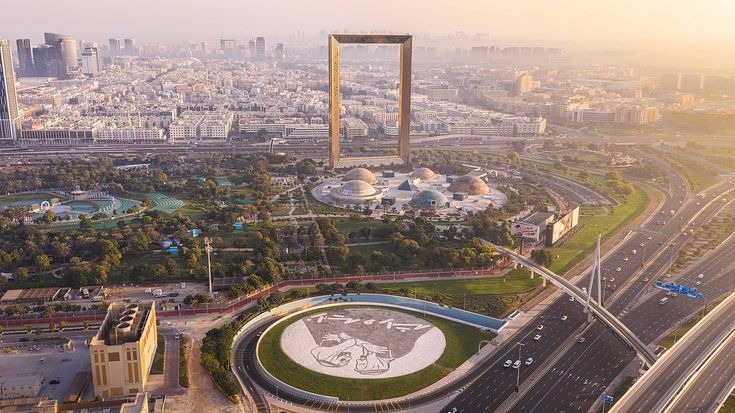
Dubai Real Estate Market Roundup 2025: Key Trends & Insights
The Dubai real estate market has once again shown its strength and maturity in 2025. After a period of record-breaking growth, this year has been a story of sustainable demand, a strong focus on quality, and the rise of new lifestyle priorities. For Dubai property trends for investors and homebuyers, the market has settled into a healthy, confident pace. We have moved past the initial post-pandemic boom and are now seeing smart, long-term decisions being made. This 2025 Dubai property market review looks at the key trends that have shaped the year. Key Trend 1: The “Flight to Quality” This has been the most dominant of the Dubai real estate market 2025 trends. Buyers are no longer just looking for a property; they are looking for a high-quality home. The market is full of discerning, educated buyers who are willing to pay a premium for good design, better materials, and a trusted developer. Developer Reputation: This has become a key factor. Buyers are doing their research and choosing developers, like Ellington Properties, who are known for their design-led approach and a proven track record of delivering on their promises. Branded Residences: The demand for branded residences has continued to surge. Buyers and investors see the value in a home that is managed by a high-end hospitality brand, ensuring a certain level of service and quality. Finishes and Amenities: Generic finishes are no longer enough. Buyers are inspecting the details, from the quality of the kitchen counters to the technology in the gym. This focus on quality is a sign of a mature, long-term market. Key Trend 2: The Rise of “Wellness Real Estate” A major insight from 2025 is that “wellness” is no longer just a buzzword. It is a core requirement. Buyers are looking for homes that actively contribute to their health and well-being. Green Space: Communities with parks, walking trails, and landscaped gardens have seen huge demand. Holistic Amenities: It is not just about a gym anymore. Buyers are looking for a full wellness package: state-of-the-art fitness centres, yoga studios, pools, and even spa facilities within their own building. Natural Light and Air: Smart design, which includes large windows, good airflow, and usable balconies, has become a top-selling point. This trend shows that Dubai real estate insights in 2025 are pointing towards a more human-centric approach to living. Key Trend 3: Off-Plan Market Matures The off-plan market has remained very strong in 2025, but it has changed. The days of speculative “flipping” are being replaced by long-term investment. Investors as End-Users: A large number of off-plan buyers are now planning to live in the property themselves. This means they are looking at the quality and livability of the home, not just the price. Focus on Established Areas: While new master communities are popular, we have seen strong demand for new off-plan projects within established, central communities. This gives buyers the benefit of a brand-new home in a neighbourhood that already has schools, parks, and infrastructure. Payment Plans: Flexible payment plans are still a major driver, allowing more people to enter the market. Key Trend 4: Waterfront Living is Still King The demand for waterfront properties has continued to be a powerful driver of the Dubai real estate market 2025 trends. There is a limited supply of homes by the sea, canal, or lagoon, and the demand for them is always high. New Communities: We have seen huge interest in new and upcoming waterfront districts like Mina Rashid and Dubai Islands. Premium Value: These properties command a significant price premium, not just for the view, but for the lifestyle. They offer a sense of escape, privacy, and access to unique amenities like marinas and private beaches. Strong ROI: For investors, waterfront properties have proven to be a solid investment, holding their value and attracting high-quality tenants. Key Trend 5: The Golden Visa Effect The UAE’s residency-by-investment program, the Golden Visa, has continued to be a major factor in 2025. The clear link between a property purchase of AED 2 million and a 10-year residency visa has anchored the market. This policy has encouraged Dubai property trends for investors to shift from short-term gains to long-term stability. It has given expats and global investors the confidence to put down roots, buy larger family homes, and plan their lives in Dubai for the long haul. You can learn more about the rules on the UAE’s official portal. Looking Ahead at the Dubai Property Market A 2025 Dubai property market review shows a market that is confident and mature. The demand is real and driven by a growing population and a desire for a high-quality lifestyle. The “flight to quality” is the most important trend, and it is a perfect match for our own design-led philosophy. As we look ahead, we see these trends continuing. Buyers will demand better design, better amenities, and better communities. To find a high-quality home in a prime community, you can explore our property for sale and residential communities.
Guide to Buying Property in Dubai as an Expat
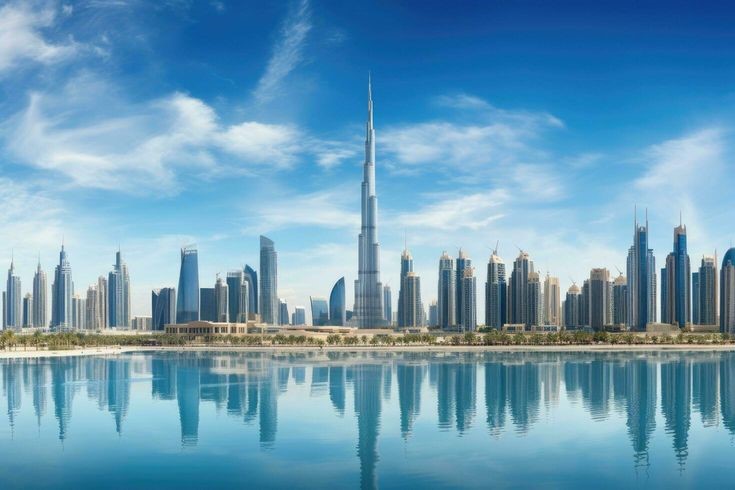
Dubai has grown into a major global hub, attracting people from all over the world to live and work. For many expatriates, what starts as a short-term plan often turns into a long-term stay. When this happens, the question of buying a home comes up. If you’re an expat, the idea of buying property in Dubai might seem complex. You might wonder about the rules, the process, and the hidden costs. The good news is that Dubai has a very clear and secure system for foreign buyers.This foreign buyer’s Dubai property guide will walk you through the entire journey. We’ll cover the rules, the step-by-step process, and the key costs you need to know. The First Question: Can Expats Buy Property in Dubai? Yes, absolutely. This has been a key part of Dubai’s growth. In 2002, the law changed to allow foreigners to buy property in certain areas. This opened the market and made an expatriate property purchase in Dubai a straightforward process. But there is one key concept you must understand: freehold vs. leasehold. Freehold: This is what most expat buyers look for. When you buy a freehold property, you own the building and the land it stands on, outright. Your name is on the title deed, and you can sell, lease, or leave the property to your heirs. This ownership is 100% and permanent. Leasehold: This is less common for new residential sales. With a leasehold, you are buying the right to use the property for a fixed, long-term period. This is typically 99 years. You don’t own the land. Expats can purchase freehold property in “designated freehold areas”. These areas are all over Dubai and include most of the popular communities like Dubai Marina, Downtown Dubai, Palm Jumeirah, and Jumeirah Islands. You can find a full guide on the rules at the official UAE government portal. You also do not need a UAE residency visa to buy property. You can buy a home as a non-resident investor using just your passport. Why More Expats Are Choosing to Buy in Dubai The decision to buy is a major one. It’s often a switch from a renter’s mindset to an owner’s. Here are the main reasons expats are making the move. How to Buy Property in Dubai as an Expat Here is a step-by-step look at how to buy property in Dubai as an expat. The process is slightly different depending on if you buy a “ready” property or an “off-plan” one. Step 1: Get Your Finances in Order Before you even look at a single apartment, you must know your budget. Step 2: Choose Your Property (Off-Plan vs. Ready) Now you can start searching. You have two main choices. Step 3: The Agreement (MOU or SPA) Once you find your home, you make it official. For a Ready Property: You and the seller will sign a Memorandum of Understanding (MOU), also called Form F. At this point, you will pay a deposit, which is usually 10% of the purchase price. This cheque is held by a trusted third party, like the real estate agent. For an Off-Plan Property: You will sign a Sales and Purchase Agreement (SPA) with the developer. This is a very detailed legal contract. It’s highly recommended to have a lawyer review this document for you. You will also pay the initial deposit, typically 10-20%. All your payments must go into a RERA-approved escrow account, which protects your money. Step 4: The Transfer This is the final step where the property officially becomes yours. The Costs You Must Budget For This is one of the most common pitfalls for a first-time off-plan buyer in the UAE. The final price is not just the property price. You must budget for an extra 7-8% of the purchase price for these fees. Your Key to a Smooth Purchase Buying property in Dubai as an expat is a secure and well-regulated process. The system is designed to protect you, especially with RERA and the DLD overseeing all transactions. The most important decision you will make is who you buy from. Choosing a reputable developer with a strong track record of quality and delivery is essential, especially when buying off-plan. A good developer, like Ellington Properties, is a partner that focuses on design, quality, and resident-focused living. This guide gives you the map. By doing your research, getting your finances ready, and working with trusted partners, you can confidently navigate the process. You can move from being a renter to being a homeowner in one of the world’s most dynamic cities, finding your perfect home in one of its many residential communities.
Ellington’s Upcoming Jumeirah Islands Projects
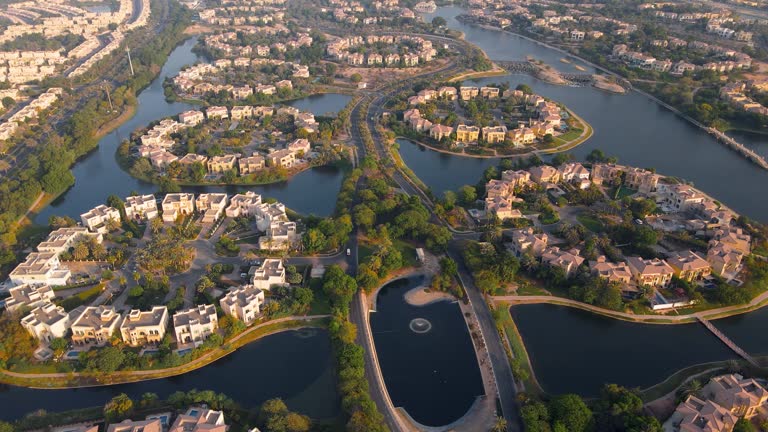
Jumeirah Islands has long been one of Dubai’s most distinguished addresses. It is a place known for large villas, quiet streets, and an abundance of water. The community is built around a series of man-made lakes. It offers a sense of escape that is hard to find in the city centre. For years, the only option here was to buy a villa. But the market is shifting. There is a growing demand for apartment living within these prestigious, low-density neighbourhoods. We are answering this demand. Ellington Jumeirah Islands projects are bringing a fresh perspective to the area. We are introducing two distinct developments. These are Eltiera Heights and Eltiera Views. They are designed for those who want the Jumeirah Islands lifestyle but prefer the convenience and modern design of a fully featured apartment. These projects represent a new chapter for the community. They combine our signature design philosophy with the natural beauty of the islands. This article explores what makes these upcoming homes in Jumeirah Islands unique and why they are significant additions to our portfolio. A New Standard in Jumeirah Islands The concept behind our entry into Jumeirah Islands was simple. We wanted to provide a high-quality alternative to villa living. Many professionals and small families want to live in established, green communities. They do not always need the space or maintenance that comes with a large villa. They want a home that is easy to manage but still feels elegant. This is where our design-led approach comes in. We focus on creating spaces that flow naturally. We prioritize light, views, and functionality. Our residences in Jumeirah Islands are not just places to sleep and relax. They are designed to be destinations in themselves. They offer resort-style amenities that rival the best hotels in the city. You can learn more about the wider community and its existing charm on our Jumeirah Islands community page. The area is already mature. The trees are grown. The lakes are settled. This is a major advantage over buying in a brand-new district where construction is still ongoing. Eltiera Heights Offers a Higher Perspective Eltiera Heights marks our first residential development in this address. It rises with a distinct architectural identity. The tower features fluid lines and thoughtful detailing. It is designed to stand out while respecting the natural surroundings. The project offers a range of unit types. You can choose from elegant one, two, and three-bedroom apartments. There is also a limited collection of magnificent penthouses. These top-tier units offer sweeping views over the lakes and the Dubai skyline. The interiors are crafted with care. We use high-end European finishes. The layouts are vast and light-filled. They flow easily onto broad terraces. These outdoor spaces are crucial. They allow residents to enjoy the spectacular views of the calm lakes and lush greenery. Every element has been studied. We integrate smart home systems intelligently. The goal is to produce a property that is as practical as it is beautiful. It sets a new standard for Ellington Jumeirah Islands projects. It offers a lifestyle rooted in balance. If you are interested in the specific unit layouts and availability, you can visit the Eltiera Heights property page. Eltiera Views Reflecting Your Lifestyle Following the success of Eltiera Heights, we introduced Eltiera Views. This project continues our vision of crafting spaces that reflect balance and individuality. It is set within the community and overlooks the calm of the lake. The design here moves with the rhythm of your life. It is a place to pause, connect, or simply be. Eltiera Views offers a range of one to four-bedroom apartments. This includes larger options for growing families who need extra space. The heart of Eltiera Views is its clubhouse. This is a four-level structure that serves as the central hub of the community. It brings together spaces that inspire well-being and togetherness. It is not just a gym or a lobby. It is a social destination. We have focused heavily on the details. The building celebrates light and flow. It carries our signature approach to thoughtful living. It is an Ellington island community in Dubai that feels personal and curated. For more details on the amenities and the four-level clubhouse, you can explore the Eltiera Views page. Amenities Designed for Living Life at these Ellington Jumeirah Islands projects is defined by the amenities. We do not just tick boxes. We create spaces that you will actually use. Both developments feature infinity-edge pools. These are designed to blend with the horizon. You can swim while looking out over the water gardens and the community lakes. The pool decks are furnished with high-quality sun loungers and cabanas. It feels like a holiday every weekend. Fitness is a priority for our residents. We have included state-of-the-art fitness areas. These include indoor gyms with the latest equipment. There are also outdoor fitness zones. You can work out in the fresh air during the cooler months. For recovery, we have included steam and sauna rooms. Families are a big part of Jumeirah Islands. We have ensured that children have safe and engaging places to play. There are dedicated outdoor kids’ play areas. These are secure and designed to encourage active play. Social connection is also key. We have included communal tables and outdoor seating areas. These are places where neighbours can meet. You can host a dinner or just have a coffee with friends. There are also games stations for entertainment. For those who cycle, we provide bicycle parking and repair stations. This encourages residents to use the walking and jogging tracks that wind through the community. The Location Advantage One of the biggest selling points of these upcoming homes in Jumeirah Islands is the location. It offers the best of both worlds. You are in a quiet, secure enclave. Yet, you are minutes away from the city’s most vibrant districts. The community has direct access to Sheikh Zayed Road. This makes commuting easy. You are approximately 10 minutes away from Dubai