




Dubai has grown into a major global hub, attracting people from all over the world to live and work. For many expatriates, what starts as a short-term plan often turns into a long-term stay. When this happens, the question of buying a home comes up.
If you’re an expat, the idea of buying property in Dubai might seem complex. You might wonder about the rules, the process, and the hidden costs. The good news is that Dubai has a very clear and secure system for foreign buyers.
This foreign buyer’s Dubai property guide will walk you through the entire journey. We’ll cover the rules, the step-by-step process, and the key costs you need to know.
The First Question: Can Expats Buy Property in Dubai?
Yes, absolutely. This has been a key part of Dubai’s growth. In 2002, the law changed to allow foreigners to buy property in certain areas. This opened the market and made an expatriate property purchase in Dubai a straightforward process.
But there is one key concept you must understand: freehold vs. leasehold.
Freehold: This is what most expat buyers look for. When you buy a freehold property, you own the building and the land it stands on, outright. Your name is on the title deed, and you can sell, lease, or leave the property to your heirs. This ownership is 100% and permanent.
Leasehold: This is less common for new residential sales. With a leasehold, you are buying the right to use the property for a fixed, long-term period. This is typically 99 years. You don’t own the land.
Expats can purchase freehold property in “designated freehold areas”. These areas are all over Dubai and include most of the popular communities like Dubai Marina, Downtown Dubai, Palm Jumeirah, and Jumeirah Islands. You can find a full guide on the rules at the official UAE government portal.
You also do not need a UAE residency visa to buy property. You can buy a home as a non-resident investor using just your passport.
Why More Expats Are Choosing to Buy in Dubai
The decision to buy is a major one. It’s often a switch from a renter’s mindset to an owner’s. Here are the main reasons expats are making the move.
- Building Equity: Paying rent each month goes to a landlord. Paying a mortgage builds equity in an asset that you own. For many, this financial shift is the biggest motivator.
- Stability and Control: As a homeowner, you have control. You can renovate your home, you don’t have to worry about rent increases, and you are not at risk of a landlord asking you to move.
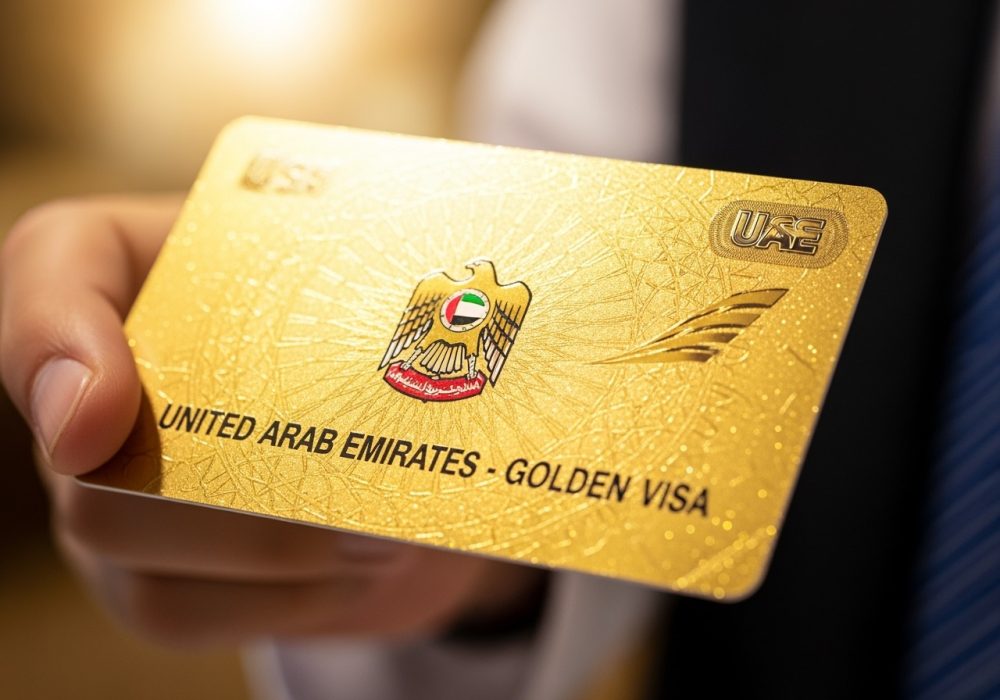
- A Path to Long-Term Residency: This is a major benefit. Your property investment can make you eligible for a UAE Golden Visa or an investor visa.
- 2-Year Investor Visa: You may be eligible for this visa if your property is worth at least AED 750,000.
- 10-Year Golden Visa: If you invest at least AED 2 million in property, you can apply for the 10-year Golden Visa. This visa also allows you to sponsor your family and domestic staff. This has made buying a home a key part of long-term planning for many expats.
- Rental Returns: If you buy as an investment, Dubai offers strong rental yields compared to many other major world cities. There is also no tax on rental income.
How to Buy Property in Dubai as an Expat

Here is a step-by-step look at how to buy property in Dubai as an expat. The process is slightly different depending on if you buy a “ready” property or an “off-plan” one.
Step 1: Get Your Finances in Order
Before you even look at a single apartment, you must know your budget.
- Cash Buyer: If you are buying with cash, this is simple. You just need to have the funds ready.
- Mortgage Buyer: If you need a mortgage, your first step is to go to a bank and get a mortgage pre-approval. This is not optional. The pre-approval letter tells you the maximum amount the bank will lend you. This confirms your real budget, so you only look at homes you can afford. UAE banks offer mortgages to resident expats, but the down payment is usually higher than for UAE nationals. You will typically need a down payment of at least 20-25%.
Step 2: Choose Your Property (Off-Plan vs. Ready)
Now you can start searching. You have two main choices.
- Ready Property: This is a finished home, usually sold by a previous owner. You can see it, inspect it, and move in quickly. You will likely use a RERA-registered real estate agent to help you find one.
- Off-Plan Property: This means buying a property directly from a developer before it is built. This is a very popular option in Dubai.
- Pros: You get a brand-new home, and you often get an attractive payment plan (e.g., paying in instalments over construction).
- Cons: You have to wait for it to be completed.
- This is where the developer’s reputation is critical. When buying off-plan, you must choose a trusted developer known for quality and on-time delivery. You can explore a curated list of property for sale in Dubai to see what new projects are available.
Step 3: The Agreement (MOU or SPA)
Once you find your home, you make it official.
For a Ready Property: You and the seller will sign a Memorandum of Understanding (MOU), also called Form F. At this point, you will pay a deposit, which is usually 10% of the purchase price. This cheque is held by a trusted third party, like the real estate agent.
For an Off-Plan Property: You will sign a Sales and Purchase Agreement (SPA) with the developer. This is a very detailed legal contract. It’s highly recommended to have a lawyer review this document for you. You will also pay the initial deposit, typically 10-20%. All your payments must go into a RERA-approved escrow account, which protects your money.
Step 4: The Transfer
This is the final step where the property officially becomes yours.
- Get the NOC: The seller (or developer, if off-plan) must get a No Objection Certificate (NOC) from the master developer. This document confirms that all service charges and fees on the property are fully paid. There is a fee for this, which can range from AED 500 to 5,000.
- Go to the DLD: You, the seller, and your bank (if you have a mortgage) will meet at a Dubai Land Department (DLD) office or a registration trustee’s office.
- Pay the Fees: Here, you will pay the final amount to the seller and pay all the government fees (see the next section).
- Get the Title Deed: Once everything is paid, the DLD will issue a new Title Deed in your name. You are now the legal owner of the property.
The Costs You Must Budget For
This is one of the most common pitfalls for a first-time off-plan buyer in the UAE. The final price is not just the property price. You must budget for an extra 7-8% of the purchase price for these fees.
- DLD Transfer Fee: This is the largest fee. It is 4% of the property’s purchase price. This is paid to the Dubai Land Department.
- Registration Fees: Paid to the DLD for issuing the title deed. This is around AED 4,000 for properties above AED 500,000.
- Real Estate Agent Fee: For ready properties, this is typically 2% of the purchase price.
- Mortgage Fees: If you get a loan, you will pay bank fees. This includes an arrangement fee (up to 1% of the loan), a valuation fee (AED 2,500 – 3,500), and a mortgage registration fee (0.25% of the loan amount) paid to the DLD.
- Annual Service Charges: This is not a purchase fee, but it’s a critical ongoing cost of ownership. You must pay these charges every year to the building’s management. They cover the maintenance of the pool, gym, security, and cleaning of common areas. Always ask what the estimated service charges are before you buy.
Your Key to a Smooth Purchase

Buying property in Dubai as an expat is a secure and well-regulated process. The system is designed to protect you, especially with RERA and the DLD overseeing all transactions.
The most important decision you will make is who you buy from. Choosing a reputable developer with a strong track record of quality and delivery is essential, especially when buying off-plan. A good developer, like Ellington Properties, is a partner that focuses on design, quality, and resident-focused living.
This guide gives you the map. By doing your research, getting your finances ready, and working with trusted partners, you can confidently navigate the process. You can move from being a renter to being a homeowner in one of the world’s most dynamic cities, finding your perfect home in one of its many residential communities.